
 Search within the site


1
Overview
Extending the service life of photoconductors is an important technical challenge for achieving the Sustainable Development Goals (SDGs ), as it not only helps reduce cost through decreased replacement parts and maintenance expenses but also reduces environmental impact by lowering the volume of discarded parts. Increasing the thickness of the photoconductive layer and increasing the molecular weight of the resin can effectively extend service life. However, achieving both high coating speed during production and coating uniformity is difficult. In particular, insufficient understanding of the behavior of volatile solvent gas generated during coating remains a technical issue.
To address this issue, we leveraged Konica Minolta’s Gas Monitoring Solution technology and, for the first time, successfully visualized the volatile solvent gas generated during coating. Based on these findings, we reviewed coating equipment and operating conditions, improving production speed to 1.5 times the conventional level while significantly enhancing coating uniformity and extending photoconductor life by 1.2 times. This has enabled the market supply of high-quality photoconductors and has also opened up possibilities for new business development in gas monitoring technology.
2
Details
■Configuration
Photoconductors are essential functional components primarily used in electrophotographic systems such as MFPs and printers. They are designed with a multilayer structure and are electronic devices equipped with various functionalities, including electrical characteristics, mechanical strength, and compatibility with the electrophotographic process. Their operating environment is extremely harsh, including exposure to discharge and cleaning, and wear and deterioration with use are significant (Figs. 1, 2).
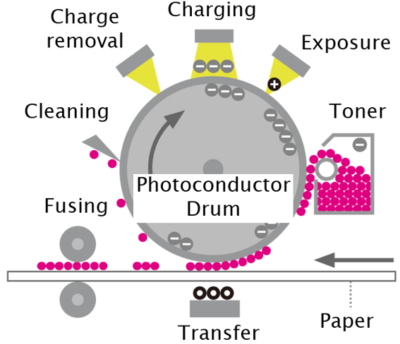
Fig. 1 Overview of the electrophotographic process
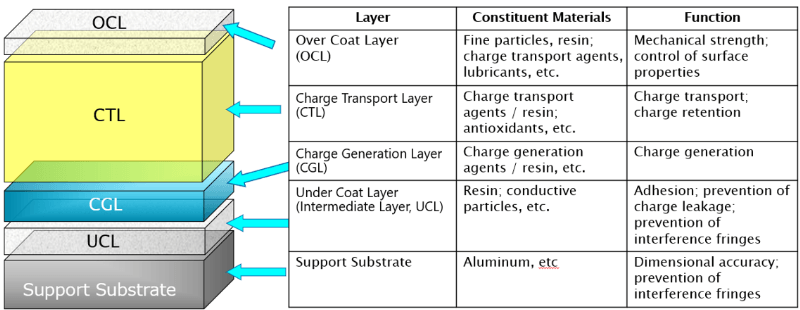
Fig. 2 Configuration of an electrophotographic photoconductor
Accordingly, we aimed to extend the service life of photoconductors by increasing the film thickness and the resin molecular weight to improve strength. The solvent-gas environment around the coating during natural drying after coating greatly affects coating uniformity . However, the amount of gas generated and its behavior were not sufficiently understood, and thick-film coating using high-molecular-weight resin materials was an extremely difficult challenge (Fig. 3).
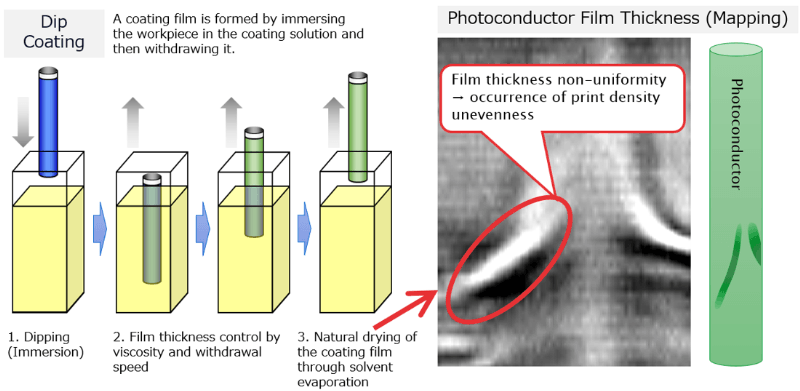
Fig. 3 Photoconductor coating method and the impact of film-thickness unevenness
With conventional gas sensors, only a local average concentration can be measured, and response delay makes it difficult to capture actual behavior in real time. Even if simulations are performed, there is no means to verify their validity. To resolve this challenge, we applied Konica Minolta’s Gas Monitoring Solution technology.
■Functions / Features / Applications
1. Introduction to the FORXAI Gas Monitoring Solution business and technology
By using a cooled infrared camera and a specialized band-pass filter, hydrocarbon-based gases that are invisible to the human eye can be visualized. In addition, this technology includes a function that estimates flow rate by analyzing captured images, contributing to gas leak monitoring, inspection, environmental safety at manufacturing sites, and equipment maintenance. We applied this technology to understand solvent gas during coating (Figs. 4, 5).
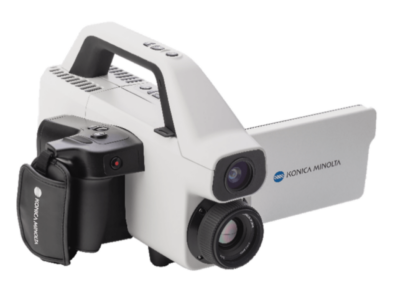
Fig. 4 Handheld gas leak inspection system
Fig. 5 State of gasoline evaporation (left: visible image; right: gas monitoring image)
2. Visualization of gas behavior during coating using gas visualization technology and resulting improvements
The video below shows the actual photoconductor coating process (Figs. 6, 7).
At the beginning of coating, the amount and flow of solvent gas are small, increasing over time. It also became clear that re-exposure due to returning gas reduces coating uniformity. To address this issue, we redesigned the equipment by incorporating flow-straightening mechanisms and other features aimed at stabilizing the gas atmosphere. Consequently, even with high-molecular-weight resin materials, production speed was increased to 1.5 times the conventional level, and coating uniformity was significantly improved.
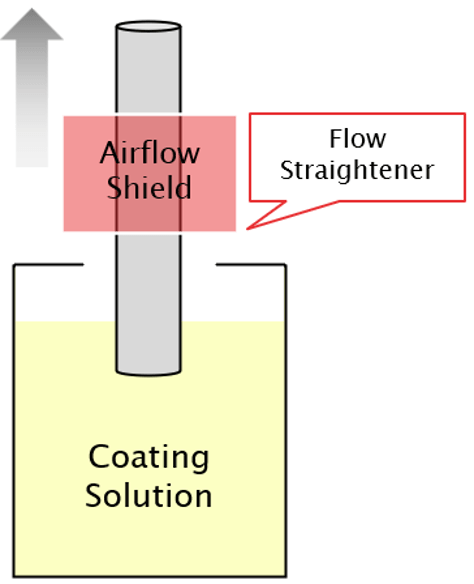
Fig. 6 Actual coating process: gas visualization image
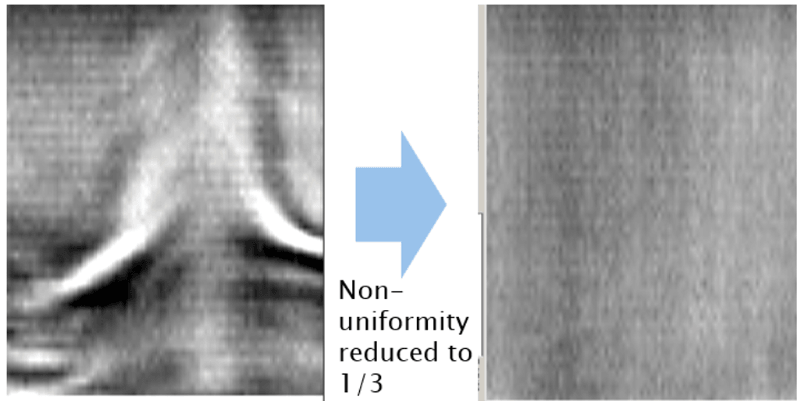
Fig. 7 Improvement effect on coating uniformity
■Future outlook
Photoconductors
We succeeded in increasing production speed to 1.5 times the conventional level while significantly improving coating uniformity, thereby extending photoconductor life by 1.2 times.
This photoconductor is scheduled to be launched to the market from 2026.
Expansion of applications for gas monitoring technology
Internal collaboration confirmed that it is possible to visualize production-process know-how in real time and quantitatively, contributing to improved productivity and stabilized quality.
We will continue to promote businesses that contribute to society by using technologies that visualize the invisible to meet individual needs to “see.”